Importing used cars from China to Ghana requires more than choosing a model and arranging ocean freight. The buyer should confirm vehicle eligibility, applicable standards and the document process before the car leaves China. Start with a licensed Ghanaian clearing agent and use current Ghana Revenue Authority and Ghana Standards Authority information for the exact vehicle and importer type.
In this guide
Check GSA requirements before placing the order
The Ghana Standards Authority vehicle importation portal publishes the implementation framework, FAQs, approved inspection-agent information, importer forms and a pre-shipment inspection request form. Review the latest versions with your agent and identify which requirements apply to your shipment.
Ask who must register, whether pre-shipment inspection or other conformity evidence is needed, which provider can perform it and what must be completed before departure. A supplier’s commercial condition report is not automatically a substitute for a regulatory inspection. Obtain written confirmation of eligibility, including current age and condition restrictions, before paying a non-refundable amount.
Identify the exact car and supporting documents
Request the VIN, manufacture label, first registration information, engine or motor specification and detailed condition evidence. Distinguish the year of manufacture from the first registration year. The consignee details and vehicle identification should be consistent across the invoice, transport document and any supporting ownership or inspection records.
GRA’s vehicle importation guidance lists documents including the bill of lading or waybill and title. Ask your agent which China-origin ownership or export records will be accepted for your case and whether originals are needed. Settle this before booking, rather than discovering a document mismatch after arrival.
Budget using the local valuation process
The purchase invoice is not necessarily the sole basis for customs value. GRA explains vehicle valuation using manufacturer value and depreciation, and provides guidance for checking duty through ICUMS using vehicle details. Have your agent prepare an itemised estimate for the actual VIN, model, year and specification.
Include destination taxes, clearance service, terminal costs, delivery and any required local testing or registration. Request the assumptions and validity date for the estimate. Do not apply an old overage-penalty table without confirming current import eligibility: the ability to pay a charge does not itself establish permission to import a vehicle.
Choose stock with evidence you can review
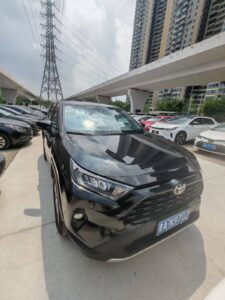
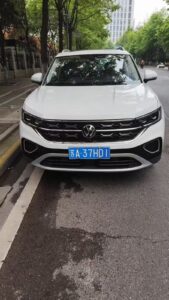
Compare available units in our used car export inventory by stock number, mileage and documented condition. Request a walkaround video, interior and underbody photos, diagnostic information where available and a clear explanation of repairs. Our inspection checklist can help you separate confirmed findings from unanswered questions.
Confirm local parts and workshop support for the exact China-market variant. For hybrid or electric vehicles, check charging compatibility, battery evidence and repair support. Do not assume domestic connected services or a manufacturer warranty remain available after export.
Coordinate Tema or Takoradi logistics
Specify the intended port and ask your agent to confirm the suitable terminal and clearance arrangements. Request a route-specific shipping offer, including the proposed service, transshipment, estimated sailing and destination exclusions. Compare RoRo and container shipping using the actual vehicles and route.
Before departure, confirm document release, consignee spelling and responsibility for pre-arrival steps. Before arrival, arrange clearance payments and collection so the vehicle is not left waiting unnecessarily. Keep dated handover photographs and inspect condition on receipt.
What to send with your enquiry
Share your preferred make and model, acceptable manufacture years, quantity, fuel type, total budget and Ghanaian destination port. Tell us which compliance documents your agent requires. Request current stock and an export quotation, then review the landed-cost checklist with your agent before reserving a car.