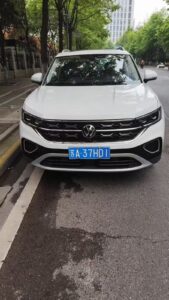
A used car export inspection should answer two questions: is this the vehicle being offered, and what condition is it in today? Overseas buyers cannot rely on attractive listing photographs alone. Ask for evidence tied to the stock number and VIN, with a dated report explaining the checks performed and the areas that could not be inspected.
In this guide
Start with identity and paperwork
Compare the VIN on the body, identification label and available documents. Request clear photographs instead of a typed VIN alone. Record the manufacture date, first registration date, exact variant, engine or motor specification and displayed mileage. Model year and first registration year are not interchangeable. Send these details to your destination agent for an eligibility check before paying a deposit.
Ask which ownership and export documents will accompany the unit and whether there are outstanding steps before it can be shipped. The sales invoice should identify the same vehicle as the inspection evidence. If a supplier proposes a replacement car, inspect and approve that replacement separately.
Inspect the body and look beyond cosmetic repairs
Request daylight photographs of every panel, roof, glass, wheels, underbody and engine compartment. Ask the inspector to identify repainting, replaced panels, uneven gaps, weld repairs and corrosion. Cosmetic work and structural damage have different implications; a vague description such as “good condition” does not distinguish them.
Ask specifically about accident, flood and fire history. Check carpets, spare-wheel wells, seat rails, electrical connectors and concealed areas where accessible. No photograph or single visual sign proves that a car has never been flooded. Unclear history or suspicious repairs justify a more detailed independent inspection, not an assumption of a clean record.
Check mileage and mechanical operation
Compare the odometer with available maintenance records and overall wear. Record any gaps in the evidence rather than treating the displayed number as verified history. Request a cold-start video where practical, instrument-panel photographs before and after starting, and a diagnostic scan with unresolved fault codes explained.
The inspection should address fluid leaks, cooling operation, transmission engagement, steering, brakes, suspension, tyres and air conditioning. Ask whether a road test was completed and under what conditions. An engine idling in a short video does not demonstrate performance under load. Agree who handles identified faults before shipment and obtain evidence of any completed repair.
Add hybrid and EV checks where relevant
For electrified vehicles, request an appropriate battery diagnostic report, its test date and the method used. A dashboard range estimate alone is not a battery-health certificate. Check charging-port type, supplied cables, charging functionality and whether local charging infrastructure can support the vehicle. Have a qualified local specialist assess compatibility before purchase.
Confirm access to servicing, diagnostic tools and replacement parts in the destination country. Ask separately about software language, connected services and warranty applicability. Exporting a car does not automatically transfer a domestic manufacturer warranty or online account features.
Create a written acceptance record
Keep a simple record for each finding: item checked, evidence received, result, required action and buyer approval. List included keys, accessories and documents. Photograph the vehicle again at handover so existing marks can be distinguished from possible transport damage. Retain reports and original photographs with the order records.
An inspection describes a vehicle at a particular time and within an agreed scope; it is not a promise that future faults cannot occur. If a critical check is unavailable, resolve that uncertainty before final acceptance. Read our China used-car buying guide for the wider purchase process.
Request evidence for a specific unit
Choose a stock number from our current export inventory and request available photos and condition information. Tell us which checks you need and your destination port. Shipping preparation should also follow the carrier’s requirements; see our RoRo versus container guide.