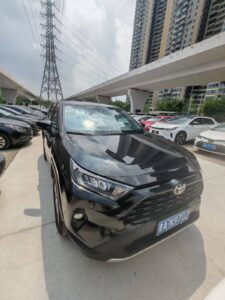
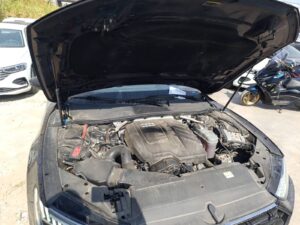
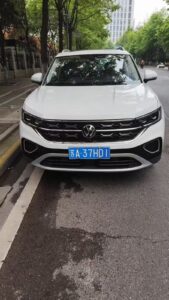
To buy used cars from China successfully, start with the requirements at your destination, then work backwards to the vehicle, inspection and shipping plan. A low advertised price means little if the car cannot be registered locally or the quotation excludes costs you expected it to include. This guide is designed for overseas dealers, fleet buyers and individual importers comparing real export stock.
In this guide
1. Define the vehicle and destination before requesting prices
Send the supplier your destination country and port, preferred make and model, acceptable manufacture years, fuel type, mileage range and quantity. Separate your vehicle budget from your total landed budget. Specify left-hand drive requirements and any local restrictions. A China-market model may have different engines, trim names, software or parts from a similarly named model sold in your country.
Ask a licensed destination clearing agent to check eligibility using the actual VIN, manufacture date and technical details before you reserve a vehicle. Customs eligibility and local road registration are separate checks. For country-specific preparation, see our guides for Nigeria, Ghana and the UAE.
2. Compare identified stock, not generic model photos
Browse our used car export inventory and shortlist individual stock numbers. Ask whether each unit is still available, where it is located and when its photos were taken. Request the VIN, dashboard mileage photograph, manufacture label and a walkaround video. A quotation should identify the exact unit; a model name alone is not enough to prevent substitutions.
3. Review condition evidence before negotiating
Request available inspection reports and ask what was actually tested. Review repaired panels, structural areas, underbody corrosion, warning lights, engine and transmission operation, air conditioning, tyres and keys. A polished exterior does not establish mechanical condition. Use our used car export inspection checklist to record unanswered questions and agree any repairs in writing.
For hybrid or electric cars, ask for battery diagnostics, charging-connector details and information about local servicing. Do not assume that a domestic warranty, connected app or navigation system will work overseas. Where evidence is incomplete, arrange an independent inspection before committing funds.
4. Put the full quotation and payment terms in writing
The quotation should state the stock number, VIN, condition disclosures, currency, validity period, named port and agreed trade term. Clarify inland transport, export processing, freight, insurance and destination exclusions separately. Our FOB and CIF cost guide explains why a port quotation is not the same as a registered, road-ready price.
Match the beneficiary details to the contracting supplier and independently verify any requested bank-account change through an established contact. Record the deposit, balance trigger, reservation period and cancellation terms. Keep the signed order, invoice and payment receipts together. Do not interpret a screenshot of stock as proof that it has been reserved for you.
5. Coordinate documents and shipment
Have the exporter, freight forwarder and destination agent agree the document checklist before booking. Check consignee spelling, VIN and vehicle description across the invoice, shipping instructions and transport document. Confirm who supplies any required ownership, export, inspection or conformity documents. Compare RoRo and container shipping against your route and vehicle condition.
Treat sailing dates as estimates until the booking is confirmed. Ask for loading or handover photographs, the transport-document release process and the expected arrival procedure. Your destination agent should prepare clearance and collection before the vessel arrives to reduce avoidable storage charges.
Ready to shortlist vehicles?
Request a stock and export quotation with your preferred model, year range, quantity and destination port. China Export Cars can discuss available units, condition information and shipping options. Confirm the exact scope of inspection and the written sales terms for your order; local servicing and registration should be arranged with your destination partners.